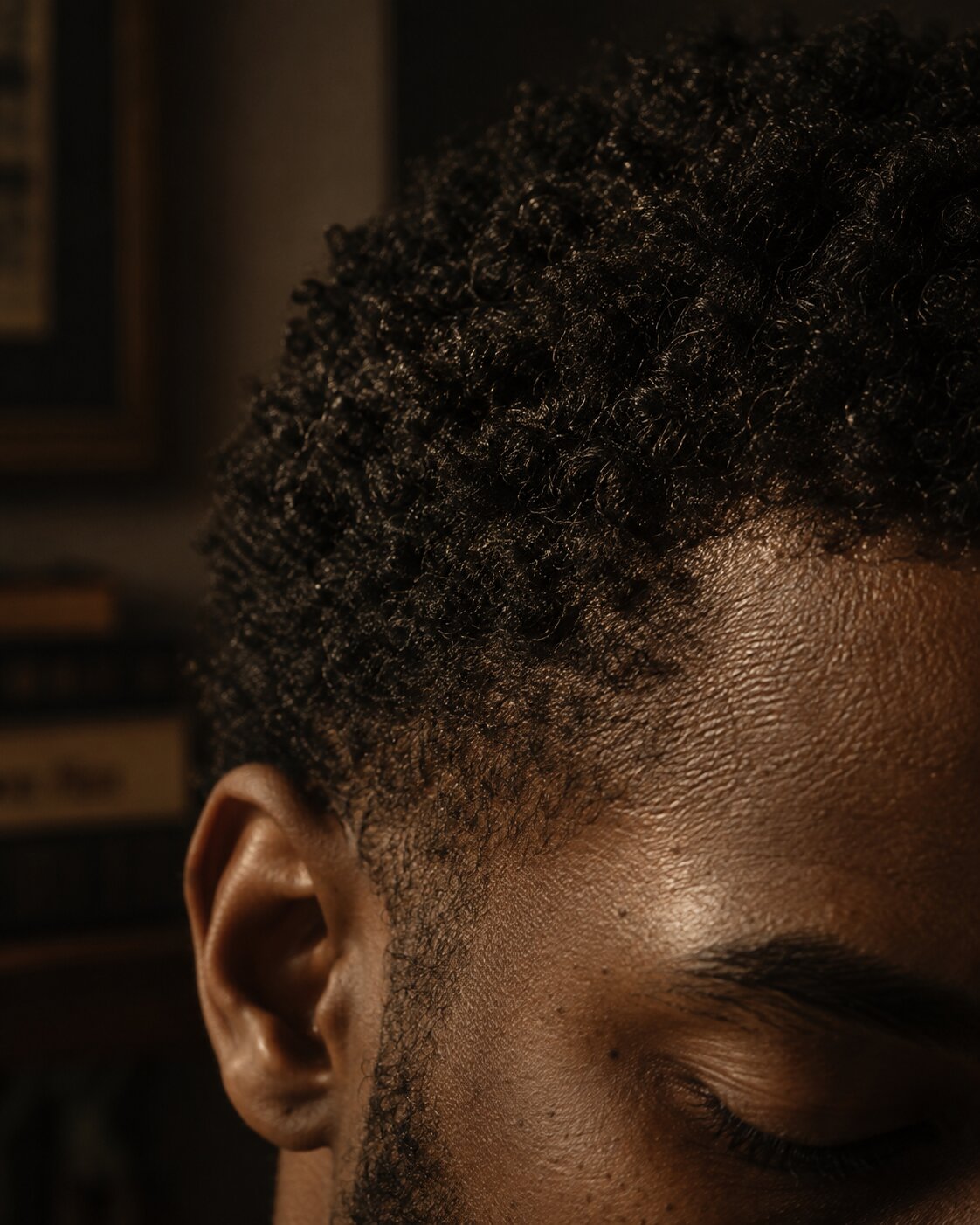
A kept man is not
made by dependence.

CODE
He is made by maintenance.
Before it was a brand, being well kept
was a language.
Pressed clothes.
Clean grooming.
Composure in public.
For Black men, presentation has
always carried weight.
Once, it was survival.
Now, it is standard.
The Traditional Meaning
Traditionally, a kept man is a man supported by another person, often financially and often within a romantic relationship.
That is the common kept man definition.
In that older meaning, a kept man depends on someone else to maintain his lifestyle. His comfort, appearance, or position is made possible by another person’s care, money, or status.
That meaning still exists.
But The Kept Man defines the phrase differently.
Here, a kept man is not dependent.
He is disciplined.
He is not maintained by someone else.
He maintains himself.
The Kept Man Definition
At The Kept Man, a kept man is a man who maintains himself well through care, restraint, and daily discipline.
His grooming is not left unattended.
His dress is not careless.
His objects are not random.
His space is not neglected.
His routine is not built only for the days when someone is watching.
This is not about looking expensive. It is not about chasing trends, proving status, or performing masculinity through excess.
A kept man has a standard.
He applies it quietly.
Where the Standard Comes From
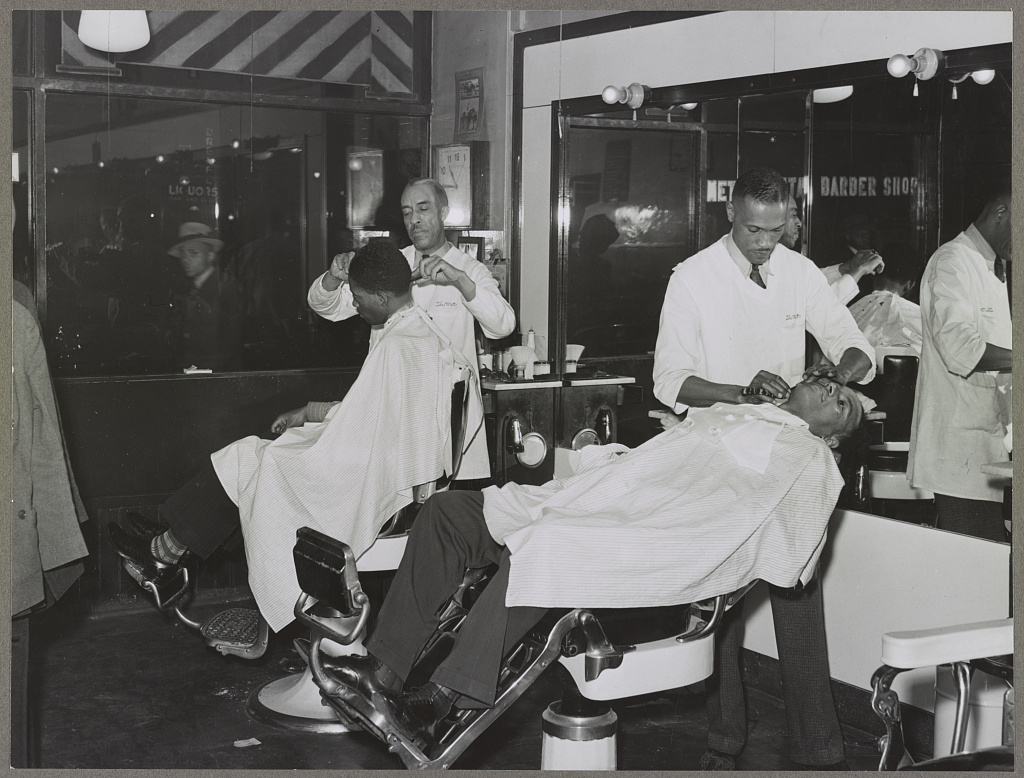
For Black men, being well kept has never been only about appearance.
It has carried history.
In earlier generations, especially through the mid-20th century, public presentation held a different weight. Men dressed with more care. Hair was kept. Shoes were maintained. Clothes were pressed. A man often entered the world with a level of formality that is less common now.
But for Black men, that presentation had another layer.
It was not just style.
It was dignity.
It was protection.
It was self-command in a world that judged Black men quickly, harshly, and often unfairly.
A clean shirt, polished shoes, a proper coat, a shaped haircut, and composed posture were not small details. They were part of how a man moved through public life. They helped him present himself with order in a society that often tried to deny him respect.
That history matters.
The Kept Man is not trying to recreate the past. It is not nostalgia. It is not costume.
It is recognition.
Black men have long understood that presentation can carry meaning before a word is spoken.
From Survival to Standard
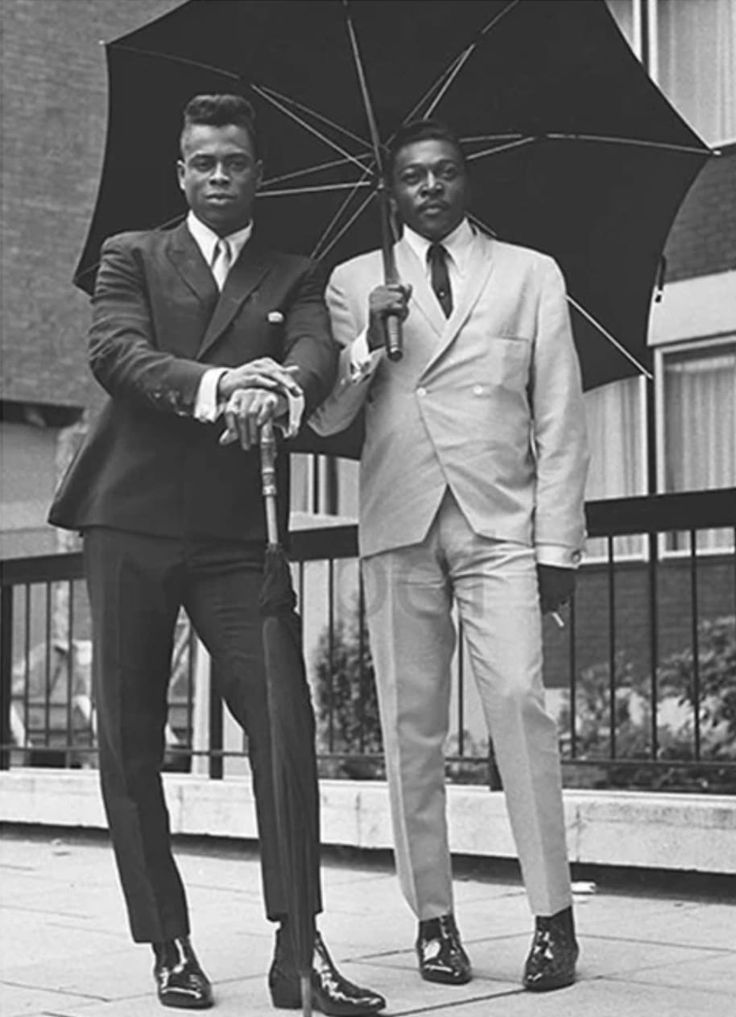
There was a time when being well kept was tied to survival.
A Black man had to think about how he was seen. How he entered a room. How he carried himself. How his clothes, grooming, and posture shaped the assumptions made about him.
That pressure was not fair.
But the care was real.
The discipline was real.
The pride was real.
The Kept Man takes what was once demanded under pressure and turns it into something chosen.
Not because a man needs to prove his worth.
Not because he owes the world perfection.
Not because his dignity should depend on how polished he appears.
But because care belongs to him.
The standard is no longer about acceptance.
It is about ownership.
A kept man does not maintain himself because the world is owed a certain version of him. He maintains himself because he respects what is his.
His body.
His dress.
His space.
His conduct.
His name.
His presence.
A Kept Man Keeps Himself
To be kept is to be maintained.
That begins with the body.
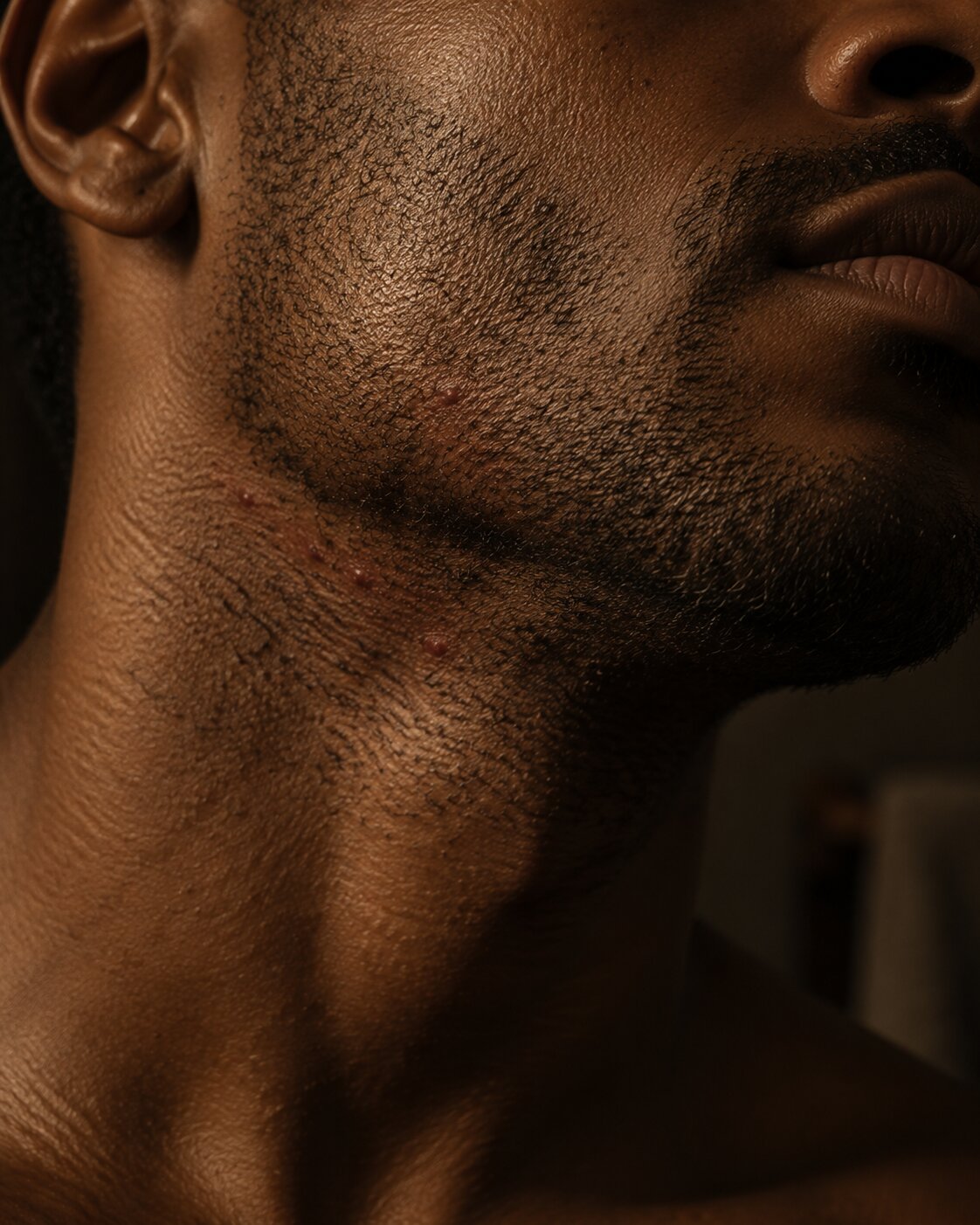
Hair. Skin. Beard. Scent. Cleanliness. Hygiene. These are not side details. They are signs of care repeated over time.
A man does not need a complicated routine to be well kept. He needs a consistent one.
The haircut kept in shape.
The skin cared for before there is a problem.
The beard lined and cleaned.
The scent used with restraint.
The nails maintained.
The body kept with respect.
Grooming is not decoration. It is maintenance.
For a practical starting point, read a simple hair care routine for Black men or explore Grooming.
Dress Is Discipline
A well-kept man pays attention to his clothes.
Not because clothes define him.
Because presentation reflects discipline.
A man does not need a large wardrobe. He needs better choices. Clothes that fit. Colors that work. Materials that last. Shoes that are cared for. Pieces that serve his life instead of performing for it.
Fit matters.
A shirt should sit properly at the shoulder.
Pants should fall with intention.
Shoes should be clean.
Outerwear should have weight and purpose.
Nothing should feel accidental.
Dress is not about being noticed. It is about being composed.
Read how clothes should fit a man or explore Dress for more on presentation, fit, and restraint.
Objects Should Earn Their Place
What a man keeps around him matters.
Not because objects create character.
Because careless objects create careless habits.
A kept man does not collect without purpose. He does not carry what is broken, excessive, or unnecessary. He chooses things that work, last, and belong.
The wallet.
The keys.
The watch.
The bag.
The comb.
The notebook.
The objects he uses daily should have a reason to stay.
They do not need to announce themselves. They need to serve the life. A good object has use, weight, material, and purpose.
Cost is not the standard.
Care is.
Read what a man should carry every day or explore Objects.
Being Well Kept Is Not Vanity
Being well kept is often misunderstood.
Some see care as vanity.
Some see dress as performance.
Some see grooming as something extra.
The Kept Man sees it differently.
Care is responsibility.
Presentation is discipline.
Order is respect.
A man does not maintain himself because he is trying to impress everyone around him. He maintains himself because neglect should not become normal.
He keeps his clothes clean.
He replaces what is worn past usefulness.
He keeps his space in order.
He knows what belongs in his daily routine.
He pays attention to the details that shape how he moves through the day.
This is not softness.
This is structure.
The Kept Man Lifestyle
The kept man lifestyle is not a life of being taken care of.
It is a life of taking care.
The body is maintained.
The clothes are considered.
The objects are useful.
The home supports composure.
The routine holds the standard together.
A kept man does not wait for disorder to embarrass him before he corrects it. He handles the small things while they are still small.
That is the difference.
A kept life is not built in one decision. It is built through repetition.
The shave.
The wash.
The clean shirt.
The organized drawer.
The repaired shoe.
The quiet refusal to let the standard slip.
This is where self-respect becomes visible.
Not as a speech.
As evidence.
Why The Phrase Matters
The phrase kept man carries history.
Traditionally, it points outward. A man is kept by someone else.
The Kept Man points inward.
A man keeps himself.
That shift matters.
It moves the meaning from dependence to discipline. From provision to responsibility. From image to maintenance.
For Black men, that shift carries even more weight.
What was once tied to judgment can become self-definition.
What was once used as pressure can become standard.
What was once demanded for survival can now be chosen with dignity.
A kept man, in this sense, is not defined by what someone gives him.
He is defined by what he maintains.
His body.
His dress.
His space.
His objects.
His conduct.
His routine.
That is the work.
That is the standard.
A Standard for the Well-Kept Man
So, what is a kept man?
Traditionally, it is a man supported by another person.
Here, it means something else.
A kept man is a man who keeps himself. He lives with care, discipline, restraint, dignity, and self-respect. He does not need excess to be composed. He does not need attention to be maintained.
He keeps the standard whether anyone notices or not.
Not for approval.
Because it matters.